Homeowners in Minneapolis experience some of the most extreme seasonal weather shifts in the Midwest. Long, freezing winters are followed by humid summers, placing continuous stress on roofing systems and attic structures. While insulation often receives attention, attic ventilation plays an equally important role in protecting the home. When ventilation is inadequate or improperly balanced, issues can develop quietly above the ceiling, affecting energy efficiency, structural integrity, and indoor comfort throughout the year.
What Is Attic Ventilation and Why Is It Important?
Attic ventilation is designed to create steady airflow through the attic space. Fresh air enters through intake vents, typically located along the soffits, while warm, moist air exits through ridge or roof vents. This continuous exchange of air helps regulate attic temperatures and control moisture levels.
Experienced Minnesota Insulation Contractors, such as Midwest Attic Solutions, evaluate attic systems as a complete unit to ensure balanced performance. to maintain energy efficiency and prevent moisture-related damage. When airflow is restricted, heat and humidity become trapped, increasing the likelihood of long-term problems.
Proper ventilation supports roof longevity, reduces condensation, and improves overall home performance, especially in climates like Minneapolis, where temperature fluctuations are significant.
Winter Consequences — Ice Dams and Moisture Intrusion
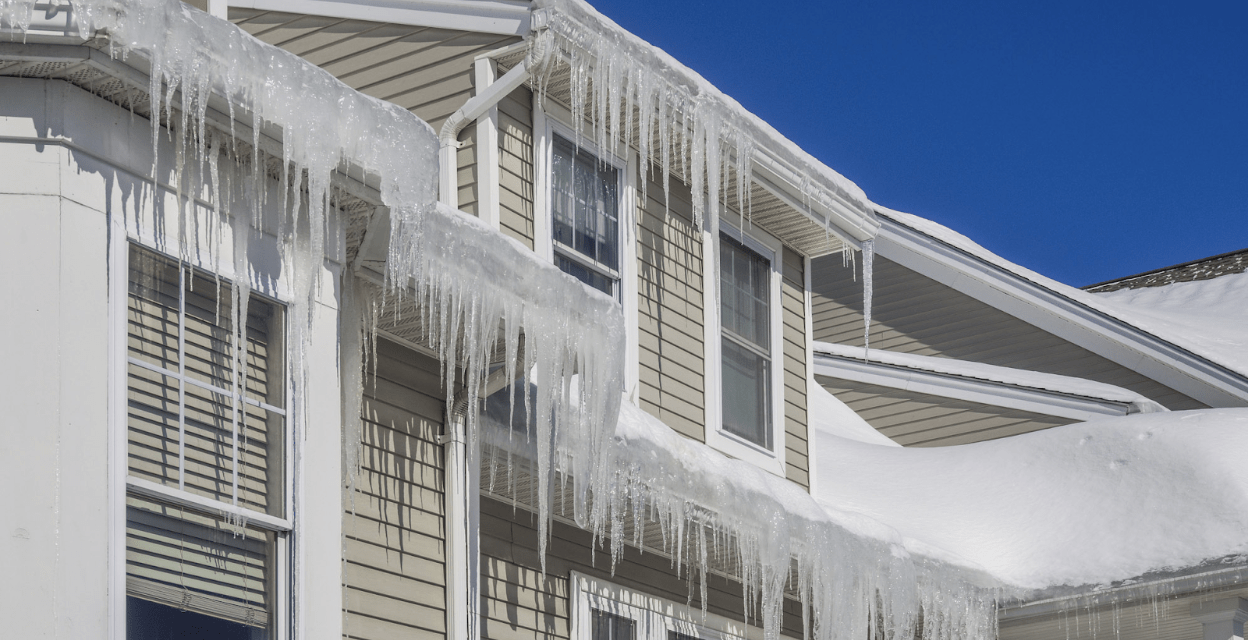
Winter presents some of the most serious risks associated with poor attic ventilation. When warm indoor air rises and becomes trapped in the attic, it heats the underside of the roof deck. Snow resting on the roof begins to melt unevenly. As the water flows toward colder roof edges, it refreezes and forms ice dams.
These ice formations do more than hang from gutters. As melting continues behind the ice barrier, water can work its way beneath shingles and penetrate the roof decking. Over time, this moisture exposure can weaken structural materials and create interior ceiling stains. Persistent moisture intrusion may also contribute to mold growth inside walls and insulation cavities, potentially affecting indoor air quality.
Additionally, trapped humid air in winter often condenses on cold attic surfaces. Frost buildup on nails and roof sheathing may not be immediately visible, but repeated freeze-thaw cycles gradually degrade wood components and reduce the lifespan of the roofing system.
Summer Impact — Overheating and Energy Strain
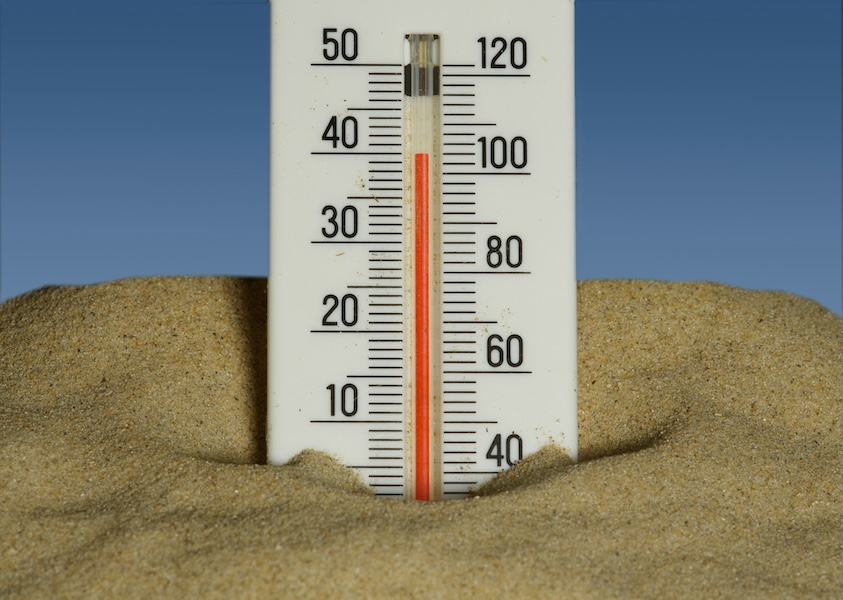
Poor ventilation is not just a winter issue. During Minneapolis summers, attic temperatures can rise dramatically when airflow is limited. Without an effective exhaust system, heat accumulates beneath the roof and radiates downward into living spaces.
This excessive heat forces air conditioning systems to work harder to maintain indoor comfort. As cooling systems run longer and more frequently, energy bills increase. Over time, constant strain on HVAC equipment can reduce its operational lifespan.
Excessive attic heat can also prematurely age roofing materials. Shingles exposed to extreme temperatures from below may deteriorate faster, leading to earlier roof replacement than expected.
The Relationship Between Ventilation and Insulation
Attic ventilation and insulation function as a team. Insulation slows heat transfer between the attic and living space, while ventilation manages airflow and moisture control. When one system underperforms, the other cannot compensate effectively.
For example, upgrading insulation without addressing ventilation can trap moisture within the attic space. On the other hand, improving airflow without sufficient insulation may still allow significant heat loss during winter.
Homeowners considering improvements such as Blown-In Attic Insulation Minneapolis upgrades often achieve the best results when both ventilation and air sealing are evaluated simultaneously. A balanced attic system ensures that insulation performs efficiently while minimizing moisture-related risks.
Why Minneapolis Homes Are Especially Vulnerable
Homes in Minneapolis face heavy snowfall, rapid freeze-thaw cycles, high humidity in summer, and substantial temperature swings between seasons. These environmental conditions amplify the consequences of poor attic airflow.
Older homes, in particular, may have outdated or blocked soffit vents. Renovations over the years sometimes unintentionally restrict airflow, reducing the effectiveness of the original ventilation design. Without professional evaluation, these issues can go unnoticed for years.
Warning Signs of Poor Attic Ventilation
Although attic problems are often hidden, certain indicators suggest ventilation issues may be present. Repeated ice dams during winter are one of the clearest signs. Homeowners may also notice musty odors, visible mold on attic surfaces, or uneven snow melting patterns on the roof. In summer, upper-level rooms that feel consistently warmer than the rest of the home can indicate trapped attic heat.
Even small signs should not be ignored, as early intervention can prevent more extensive and costly damage.
The Value of Professional Evaluation
A comprehensive attic inspection assesses insulation levels, airflow balance, air sealing gaps, and signs of moisture damage. Rather than focusing solely on adding vents or insulation, a whole-attic strategy ensures each component works together effectively.
Companies like Midwest Attic Solutions, trusted Insulation Contractors Minnesota , specialize in evaluating attic systems as a complete unit. By addressing ventilation, insulation, and air sealing together, homeowners can achieve improved comfort, reduced energy costs, and long-term structural protection.
Long-Term Benefits of Proper Ventilation
When attic ventilation is properly balanced and maintained, homeowners often experience noticeable improvements. Indoor temperatures remain more consistent throughout the year. Heating and cooling systems operate more efficiently. The risk of ice dams decreases, and roofing materials last longer.
In Minneapolis, where seasonal extremes are unavoidable, proactive attic maintenance is a practical investment in the durability and performance of the home.
Conclusion
Poor attic ventilation affects Minneapolis homes in every season. In winter, it contributes to ice dams and hidden moisture damage. In summer, it leads to overheating and higher energy consumption. Over time, these issues can shorten the lifespan of roofing systems and compromise structural components.
By ensuring balanced airflow, adequate insulation, and professional evaluation, homeowners can protect their property against Minnesota’s demanding climate. What happens in the attic may not always be visible, but its impact is felt throughout the entire home.